Introduction
Intro (ducing) color schemes in interior design can have a dramatic (affect) on the ambiance and overall mood of any room. It's important to select colors carefully, as the wrong selection may create an unpleasant atmosphere! Using bold hues can make a space appear more inviting, while pastel shades might convey a calmer feel. Negatively, overly bright colors can be too stimulating and lead to stress.
Moreover, different colors evoke various emotions in people. For instance, warm colors like reds and oranges are often associated with passion and energy, whereas cool colors such as blues and purples tend to give off calming vibes. When used correctly, these shades can help set the tone for a desired atmosphere in any environment.
In addition to their psychological effects, color schemes also impact physical aspects of a room - including lighting intensity, size perception and temperature. Warmer tones are known to increase brightness levels while lighter shades tend to open up smaller spaces by giving them the illusion of extra volume! On top of that, certain colors may even influence how hot or cold we perceive a room to be due to their reflective properties(!).
To sum up, it is clear that color schemes play an important role when it comes to creating an enjoyable environment through interior design. By taking into account both its aesthetic as well as psychological connotations one can easily craft a unique space tailored specifically for one's needs!
Definition of Color Schemes
Color schemes have a huge (impact) on the mood and ambiance of interior design! They can brighten up a room and make it feel more vibrant, or give it a cozy and inviting atmosphere. Negatively, they can also create an intense and overwhelming environment.
Bright colors like red, yellow and orange are often used to liven up a space, creating energy and excitement. These colors work well in social spaces like living rooms, where people come together to relax and enjoy each other's company. Dark shades such as purple, blue or brown can also be used to create a calmer, more intimate setting - perfect for bedrooms or studies.
In addition to the emotional effect of colors, there is also their symbolic meaning which should not be overlooked. For example, green is commonly associated with health, wealth and prosperity; while pink conveys femininity and romance. By carefully selecting the right color scheme for your space you can communicate certain ideas without using any words at all!
Overall, color plays an important role when designing interiors – from making small changes that affect the atmosphere of a room to creating entire themes based around particular hues. It is essential to consider the impact of color when decorating in order to achieve your desired results. With careful planning you can use this powerful tool to influence how we feel in our homes!
Impact of Color Schemes on Mood and Ambiance
The impact of color schemes on mood and ambiance in interior design is profound. Colors can create an atmosphere that's calming, invigorating or simply inviting. By carefully choosing the right hues and shades, designers can transform a space entirely. (For instance), warm tones like reds, oranges and yellows can make a room feel cheerful and energizing. Cool blues, greens and purples, however, can provide a feeling of peace and serenity. Even neutral colors have their own emotional effects; beiges, whites and grays often encourage relaxation!
In addition to providing comfort or excitement, color schemes also influence ambiance. For example, dark shades tend to create a more intimate setting while lighter ones add airiness to the room. Similarly, cool tones usually make people think of tranquility while warmer tones might indicate energy or enthusiasm.(Likewise), certain patterns may evoke specific emotions depending on their complexity or brightness.
Overall, incorporating the right colors into interior design is essential for influencing both our moods as well as the atmosphere of any given area. Wielding this power carefully is key for creating aesthetically pleasing yet emotionally satisfying spaces!
Examples of Effective Use Color Schemes in Interior Design
The impact of color schemes on mood and ambiance in interior design is undeniable. Color can create a vibrant and inviting atmosphere, or it can be used to induce a calming effect. (Examples) of effective use of color schemes in interior design can be seen in many homes and businesses around the world. By carefully considering the hues, tones, and shades used, one can drastically affect the feel of a room.
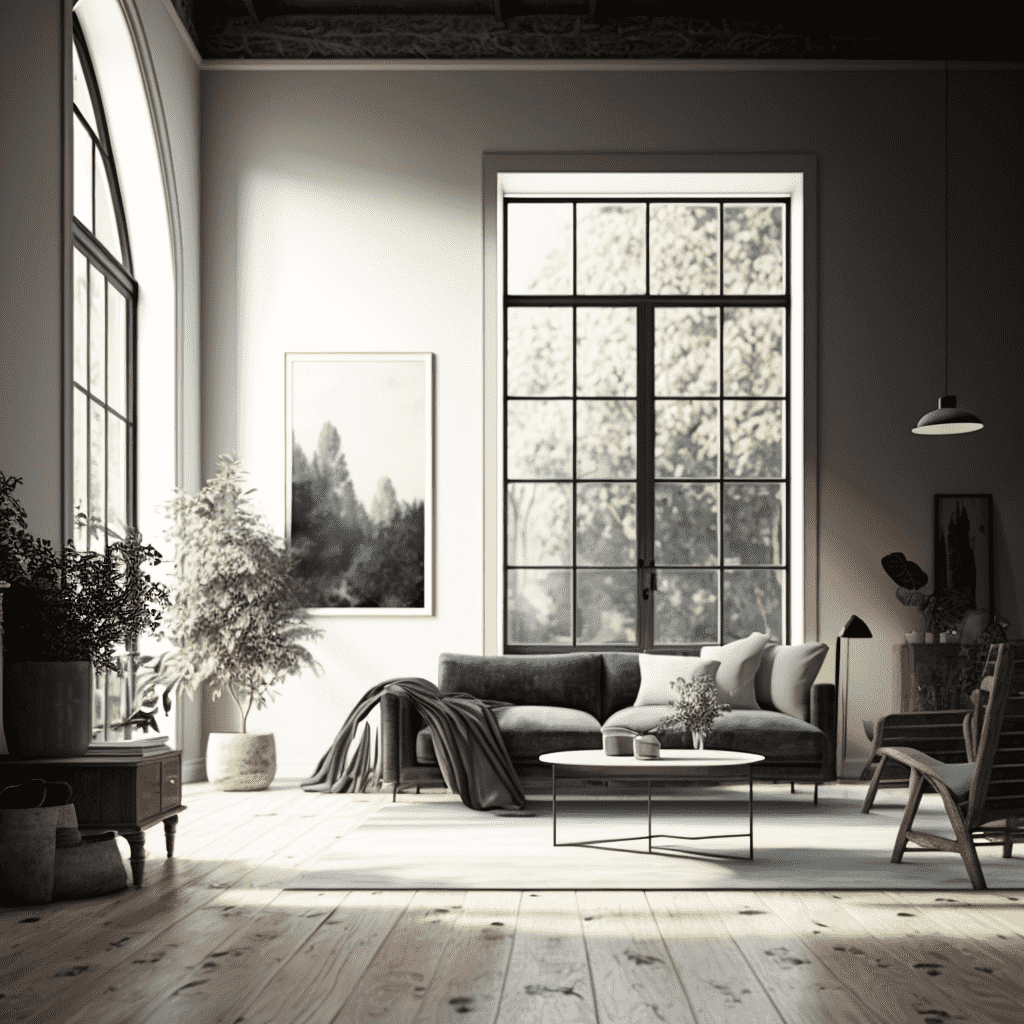
One example of an effective color scheme in interior design is that of black and white; this combination creates an airy, modern look with its stark contrast. Furthermore, using these two colors together allows for flexibility when adding accent pieces; bright colors such as red or yellow stand out against the background while soft pastel colors blend seamlessly into the palette. Additionally, black-and-white decor provides a timeless look that will never go outta style!
Another great example of utilizing color schemes to create ambiance is through earth tones; these hues are neutral yet inviting and provide a warm feeling to any space. Brown wood accents paired with creamy whites add texture without overwhelming the senses - perfect for creating a cozy atmosphere! Likewise, olive green coupled with burnt orange exudes refinement while still being comforting.
Finally, incorporating bold colors into an otherwise simple design can give life to any room! Bright pinks and blues add vibrancy to an area while still maintaining balance if done correctly - too much saturation could become overpowering! Moreover, introducing pops of color through furniture or artwork helps bring focus to certain areas in an interesting way.
Ultimately, careful consideration must be taken when deciding on color schemes for interior design projects as they have far reaching consequences on moods and overall ambiance within a space. Not only do certain combinations evoke specific emotions but also reflect personal styles - making them both functional as well as fashionable! Therefore(,) it is important to think about how different colors may interact with each other before making any decisions!
Benefits of Utilizing Different Color Schemes in Interior Design
Interior design is a field that heavily relies on the use of color schemes to create specific moods and ambiances. Utilizing different color schemes can have numerous benefits when it comes to creating a desired atmosphere in any space. (First), these scheme of colors can be used to set the tone, positively influencing the mood and emotions of those present in the room. For example, a blue palette can induce feelings of calmness, while warmer tones such as yellow may evoke feelings of joy and enthusiasm.
Moreover, color schemes can also be used to define certain areas within a room or even separate two rooms from each other. This helps create an organized sense of space and (also) conveys important messages about how certain spaces are meant to be used. Additionally, utilizing different colors gives you more control over the lighting in any given area; lighter shades bounce off light better than darker ones, and vice versa!
Additionally, utilizing various colors allows for greater flexibility when it comes to creating an aesthetically pleasing look. Different color combinations can add vibrancy or contrast depending on how they are used; this helps make any room appear more interesting and inviting! Finally, utilizing various colors demonstrates creativity which can generate admirers for your interior design projects!
To conclude, there are many benefits to using different color schemes in interior design due to their ability to influence moods and ambience while providing creative options for aesthetics too! Such versatility makes them highly sought-after tools by professionals working within this industry! Therefore, it is crucially important for anyone wishing to pursue a career in interior designing that they understand how best utilize these versatile color palettes!
Challenges of Incorporating Different Color Schemes into Interior Design
Interior design has a great impact on the mood and ambiance of any space. Incorporating different color schemes into this can be challenging, but it can also bring powerful results! When done right, colors can create an atmosphere that's warm and inviting or give a room a more formal feel. It all depends on what you want to accomplish. (For example,) Bright colors like orange and yellow are often found in lively spaces, while neutrals such as gray and beige provide more of a calming effect.
Another challenge when it comes to interior design is creating contrast. You have to make sure that the colors don't clash with each other; otherwise the whole thing won't come together! For example, if you have bright green walls, you may want to consider using lighter hues for your furniture so that everything stands out without being too overwhelming. Also, try not to use too many colors in one room - this will just make things look cluttered and chaotic.
Moreover, when incorporating different color schemes into interior design, always keep in mind how light affects them. Natural lighting can drastically change how certain hues appear in a space - especially if they're vibrant ones like reds or blues! This means that your choice of colors should depend heavily on the amount of natural light available in the area you plan on decorating.
In conclusion, incorporating different color schemes into interior design isn't always easy - but with some creative thought and planning it can yield stunning results! By considering factors like contrast, lighting and overall atmosphere you'll be able to choose shades that complement each other perfectly for an amazing aesthetic experience!
Conclusion
Color schemes have a significant impact on the mood and ambiance of interiour design. Whether it be in a home, office or public space, the colors used can greatly affect how people feel when they are present in the area. (It) can vary from calming blues and greens to energizing oranges and reds. While there is still much research to be done on the subject, studies have shown that certain color combinations evoke different emotions in people.
For example, blue tones often create a sense of calmness and relaxation while yellow can bring feelings of cheerfulness. Additionally, green shades tend to make one feel refreshed and energized. Furthermore, darker hues like black or brown give off an aura of sophistication or elegance while lighter colors such as white or cream produce a feeling of spaciousness or openness! On top of that, warm tones like reds and oranges invokes passion and excitement whereas cool shades such as purple can represent mystery and creativity.
In conclusion, it is clear that color schemes play an important role in creating the desired atmosphere for any given space. With careful consideration of the psychological effects each hue has on individuals, designers are able to craft environments tailored to their clients' needs. Moreover, those who inhabit these spaces will often experience changes in their emotional state due to their surroundings—which may even influence their overall well-being! Thus, it is paramount that care is taken when choosing which color scheme should be implemented into a design project.
References
The impact of color schemes on mood and ambiance in interior design is remarkable. Colors are the first thing that a person notices when they enter a space, and can have a huge influence on how they feel! So it's essential to understand how colors affect our emotions, as it can have an impactful effect on any given room. (For instance) Reds evoke feelings of passion and energy, while blues create a sense of tranquillity. Yellows bring brightness into the area, whilst greens express calmness.
Furthermore, colors also affect the way we perceive the size of a room. Brighter colors tend to make rooms appear larger than they actually are, whereas darker colors create an intimate atmosphere by making them seem smaller. Additionally, there's always the option to use multiple tones within one space - this can help to add depth and variety to liven up an area! (In addition), shades should be used thoughtfully in order for them to complement each other; otherwise there may be too much contrast which could result in chaos instead of harmony.
To conclude, although many people don't think about coloring when designing their interiors, it has tremendous potential to alter our perception and create desired atmospheres within a space! Therefore selecting colors carefully is key if you want your home or business premises to look beautiful and inviting - after all who doesn't want that?!